


Ontario schools are heading into one of the most significant periods of educational change in more than a decade.
Starting in 2025, students, teachers, and parents across the province will see sweeping adjustments to both curriculum content and standardized testing expectations.
These updates are not cosmetic. They reshape how core subjects are taught, how learning is measured, and how schools prepare students for a world that looks very different from even five years ago.
The goal behind the overhaul is clear. Ontario wants to modernize education so that it reflects real digital literacy, analytical thinking, and workplace-ready skills rather than relying so heavily on memorization and rigid testing formats.
But the shift is already creating a mix of cautious optimism and quiet anxiety inside classrooms.
Why Ontario Is Updating Its Education System Now
The timing of these changes is not random. Over the past decade, several warning signs pushed policymakers toward reform.
Provincial data show that literacy and numeracy scores have stalled across multiple grade levels. At the same time, employers report growing gaps in problem-solving, digital fluency, and applied reasoning among graduates entering the workforce.
The rise of artificial intelligence, automation, and remote work also forced the conversation into the open. Skills that mattered in 2010 no longer carry the same weight in 2025.
Ontario’s Ministry of Education has openly acknowledged that the existing curriculum was built for a different economy and a slower technological pace.
The pandemic accelerated this reality. Remote learning exposed weaknesses in digital preparedness, student engagement, assessment integrity, and mental health support. By 2023, it was clear that patchwork fixes were not enough. A full systemic update became unavoidable.
What Is Changing in the Curriculum
The 2025 curriculum changes touch nearly every core subject, but the most significant updates occur in three areas: mathematics, language arts, and technology education.
In mathematics, the province is shifting away from heavy procedural repetition toward applied problem-solving and data interpretation. Financial literacy, probability, and real-world modeling now carry more weight than isolated equation drills.
Students will still learn fundamentals, but the emphasis moves toward how math is used outside the classroom.
Language arts will place a stronger focus on critical reading, media literacy, and argument analysis. This reflects growing concern over misinformation, persuasive digital content, and the ability of students to separate evidence from opinion.
Writing expectations are also changing, with more emphasis on research-based projects and structured reasoning.
Technology education undergoes the biggest transformation. Coding, algorithmic thinking, ethics of artificial intelligence, and cybersecurity awareness are being embedded earlier and reinforced more consistently across grade levels.
These topics move out of elective status and into the core learning pathway.
How Standardized Testing Will Change in 2025

Curriculum updates mean little if testing remains frozen in older formats. Ontario’s standardized assessments are being redesigned to reflect a deeper understanding of surface recall.
Students will now face fewer multiple-choice-only tests and more mixed-format assessments that require written explanations, data interpretation, and applied reasoning.
The goal is to reduce test prep culture and encourage genuine mastery rather than short-term memorization.
Digital testing platforms will also expand. Ontario is investing heavily in secure online assessments with adaptive questioning models that change based on student responses. This allows testing to better measure skill depth rather than just right-or-wrong outcomes.
Concerns about academic integrity have pushed schools to also rethink how they verify originality and learning authenticity.
Many teachers now rely on validation tools, including an artificial intelligence detector used in mid-project review cycles, not as a punishment tool but as a safeguard that preserves the value of independent student work in a rapidly automated world.
What This Means for Teachers
For educators, the 2025 changes bring opportunity and pressure at the same time. Teachers are being asked to shift their instructional strategies, redesign assessments, and integrate more technology-based learning into already full classrooms.
Professional development funding has increased, but many teachers report that the pace of change feels intense. Lesson plans that worked for years must be rebuilt. Marking standards must be recalibrated. Technology that once felt optional is now essential infrastructure.
At the same time, many experienced teachers quietly welcome the changes. The new model allows more room for creative instruction, project-based learning, and cross-subject integration. For educators who value adaptability and real-world connection, this reform aligns more closely with how students actually learn.
How Students Will Experience the Shift
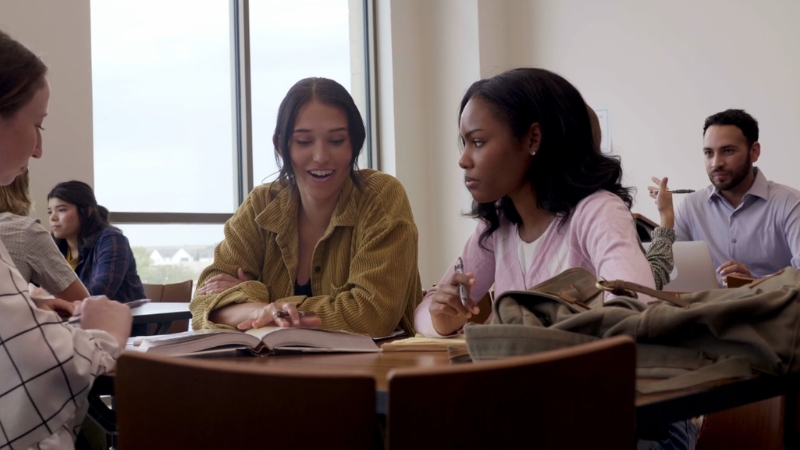
For students, the difference will be noticeable almost immediately. Classrooms will place less emphasis on passive learning and more on participation, analysis, collaboration, and presentation.
Group problem-solving will become more common. Research assignments will carry a heavier weight. Digital fluency will be expected rather than taught as a separate skill.
Testing pressure will feel different, too. There will still be accountability, but performance will be shown through varied formats instead of a single score-determining exam.
This benefits students who struggle with traditional test anxiety but perform well in applied learning environments.
However, the transition period will not be seamless. Students moving between old and new systems during the rollout years may feel uncertainty about expectations, grading standards, and post-secondary admissions comparisons.
What Parents Should Know
Parents will notice changes in homework structure, grading language, and the types of skills being emphasized. Traditional report indicators tied purely to short quizzes and exam scores will decrease in influence.
Instead, parents will see more feedback connected to project performance, critical thinking skills, and long-term assignments.
Communication between schools and families becomes more important during this transition. Parents who understand why homework looks different are better positioned to support their children without unnecessary stress.
The biggest adjustment for many families will be letting go of the belief that high test scores alone define success. The province is deliberately broadening what “achievement” means.
Long-Term Impact on Post-Secondary Education and Jobs
View this post on Instagram
Ontario’s 2025 reforms are closely aligned with shifting university and labor market expectations. Post-secondary institutions are already adjusting admissions models that look beyond raw test scores toward portfolios, research work, and sustained academic performance.
Employers across healthcare, technology, finance, and skilled trades consistently report that adaptability, communication skills, and digital reasoning now outweigh narrow technical specialization. The revamped curriculum reflects those realities.
If implemented fully and supported properly, Ontario’s graduates will enter adulthood with stronger resilience to automation, greater financial awareness, and better preparation for jobs that do not yet exist.
Bottom Line

Ontario’s 2025 curriculum and testing changes represent a structural shift in how education measures readiness for the real world. This is not simply an update of textbooks or exams. It is a redefinition of what counts as learning success in a digital, automated, and rapidly shifting economy.
The transition will create challenges. Not every classroom will adapt at the same pace. Not every student will adjust easily. Teachers will face workload pressure.
Parents will feel uncertainty. But stagnation was no longer an option. The systems that shaped students twenty years ago cannot prepare them for the realities of 2045.
What ultimately determines the success of these reforms is not government messaging or policy language. It is what happens, day after day, inside Ontario classrooms.
If schools are given consistent support, realistic timelines, and honest feedback channels, these changes have the potential to quietly reshape an entire generation’s relationship with learning, work, and problem-solving itself.