
Suburban life has long been associated with calm routines, familiar streets, and an assumption of safety that rarely required second thought.
That assumption has started to erode as auto theft becomes a regular topic of concern across residential neighborhoods.
Residents who once parked cars overnight without hesitation now wake up scanning driveways first, checking locks, and replaying security footage. Vehicles parked in garages, driveways, or along quiet streets increasingly feel exposed rather than protected.
Discussions at schools, community meetings, and online neighborhood groups reveal a shared unease. Stories circulate of cars disappearing overnight or being recovered damaged days later. Every day, security no longer feels automatic, and vigilance has become part of suburban routine.
Auto theft has altered how safety is perceived, reshaping once low-risk areas into places where awareness feels necessary rather than optional.
A Viral Video, a Real Fear
Concern escalated sharply after a short social media clip circulated widely across Brampton and surrounding communities.
Video footage showed a Mustang parked in a suburban driveway with its bumper chained in place, suggesting thieves had already removed parts and might return. Visual simplicity made the scene feel familiar.
Viewers across the Greater Toronto Area quickly interpreted the clip as a genuine auto theft incident happening in real time.
Comments and shares multiplied rapidly, with many people expressing fear that similar activity could happen overnight in their own neighborhoods.
Reporting later confirmed the video had been staged as a skit rather than evidence of an actual crime.
Reaction still revealed a deeper truth. Fear surrounding auto theft already existed, and the video simply gave that fear a recognizable image. Acceptance of the scene as believable showed how closely it aligned with lived experiences and expectations.
Vehicle safety anxiety in Brampton had reached a point where a fabricated moment felt entirely plausible rather than exaggerated.
View this post on Instagram
Auto Theft Outside Brampton
Auto theft affects far more than a single city and reflects patterns seen across Canada.
Insurance data paints a clear picture of scale and growth, tying suburban incidents to a national issue that continues to strain public confidence.
- Insurance claim costs exceeded 1.5 billion dollars nationwide in 2023
- Claim totals more than doubled compared with the previous multi-year average
- Ontario and the Greater Toronto Area recorded a 524 percent increase between 2018 and 2023
Such numbers confirm that events unfolding in residential driveways connect directly to broader national conditions. What happens in one neighborhood mirrors trends shaping communities across the country.
Declines That Do Not Mean Relief
Federal action has started to slow growth tied to auto theft, offering cautious optimism at a policy level.
Early 2026 figures show an estimated 27 percent drop in theft-related insurance claims following the implementation of the National Action Plan on Combating Auto Theft.
Relief remains limited at street level. Overall theft levels still sit far above figures recorded a decade ago, and daily experiences continue to reinforce anxiety rather than reassurance.
Residents hear progress statistics while still hearing sirens, watching neighbors post security footage, and adjusting routines around vehicle protection. Statistical improvement has not yet translated into restored confidence inside suburban communities.
Organized Crime and Vehicles as Currency

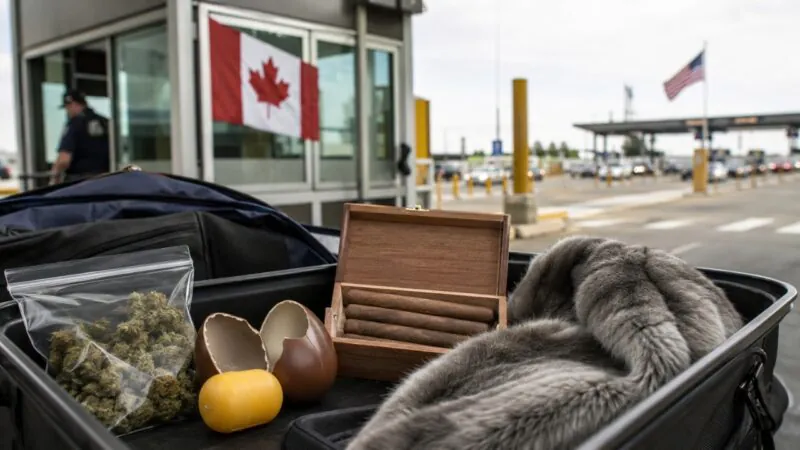
Law enforcement agencies describe auto theft as one of the primary revenue sources for organized crime networks operating nationally and internationally. Criminal groups favor vehicle theft due to fast turnaround and comparatively low risk.
Cars function as currency, moving efficiently through resale markets or shipping routes overseas. Suburban settings support that system by offering predictable routines and quick access.
Driveways allow crews to operate quietly and efficiently, often completing thefts within minutes.
- Organized crews rather than individual offenders
- Rapid movement of stolen vehicles toward ports and rail corridors
- Resale or export networks operating across provinces and borders
Such operations thrive where supervision remains limited, and response windows stay narrow.
Why Suburban Driveways Became Ground Zero
Community safety workshops across Brampton continue to surface nearly identical accounts tied to auto theft.
Vehicles disappear straight off residential driveways overnight, often without broken glass, alarms, or obvious signs of forced entry. Morning routines begin with confusion rather than noise or confrontation, reinforcing how quietly and efficiently these crimes unfold.
Stories shared at meetings reveal a pattern rather than coincidence. Neighbors describe similar timelines, similar vehicle types, and similar outcomes, pointing to organized activity rather than isolated incidents.
Public officials and well-known local figures openly recount personal experiences with stolen vehicles, shifting perception away from the idea that theft targets only certain households. Shared experiences reinforce a growing realization that no address, income level, or street layout places residents outside the risk zone.
Peel Regional Police describe auto theft as a serious and ongoing challenge affecting neighborhoods across the city. Local responses increasingly rely on coordination with port authorities and insurance providers, aiming to intercept stolen vehicles before export rather than after loss has already occurred.
Driveways have become focal points because they combine convenience for residents with opportunity for offenders. Predictable routines, easy access, and limited overnight activity create conditions that organized crews know how to exploit.
Low Risk, High Reward for Thieves
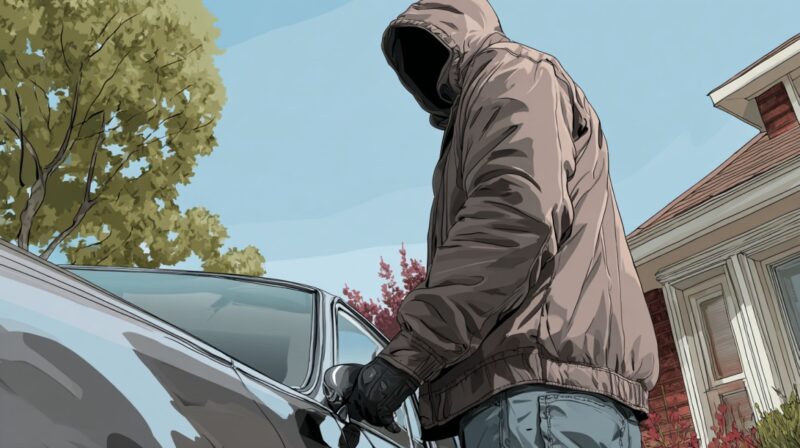
Suburban driveways often remain unsupervised during late-night and early morning hours, creating predictable windows of opportunity that repeat night after night.
Organized crews exploit that consistency using speed, coordination, and technical skill, often completing thefts in minutes.
SUVs and trucks remain especially attractive targets nationwide due to strong resale value and ongoing demand in domestic and overseas markets.
Modern theft methods increasingly rely on electronic key signal exploitation, allowing criminals to unlock and start vehicles without visible damage. Quiet execution reduces detection, shortens theft time, and increases success rates inside residential settings, leaving owners unaware until morning.
- Minimal physical damage at theft sites
- Rapid movement of vehicles shortly after removal
- Use of relay or reprogramming technology rather than forced entry
Such efficiency reinforces why suburban settings continue to attract organized auto theft activity.
Brampton Talks Safety
Rising concern tied to auto theft has shifted community response away from private frustration and toward organized dialogue. Residents increasingly seek shared solutions rather than isolated precautions, turning safety discussions into collective efforts.
Workshops Reflect Local Concern
A Community Safety Workshop hosted at Central Public School brought together more than 40 participants, including Peel Regional Police officers, city officials, and neighborhood leaders.
Discussions centered heavily on auto theft while also addressing related pressures such as response times, road safety, and housing instability.
Speakers stressed that vehicle crime rarely occurs randomly. Patterns connect theft incidents with broader safety challenges and resource constraints faced by first responders and municipalities alike.
Questions focused on prevention tactics, reporting timelines, and how residents can support investigations early rather than reacting after loss.
Broader Engagement on Crime
Additional crime prevention workshops across Brampton attracted more than 135 participants, showing sustained public engagement rather than momentary concern.
Sessions focused on auto theft consistently drew strong interest, signaling demand for practical guidance, situational awareness, and realistic expectations.
Peel Regional Police and first responders used these forums to explain current challenges, emerging trends, and prevention measures residents can adopt.
Turnout reflected a clear desire for cooperation and shared responsibility across neighborhoods rather than reliance on enforcement alone.
Enforcement and Policy

Efforts to disrupt auto theft operate across multiple levels, combining federal resources with regional enforcement and community involvement.
National and Border Efforts
Canada’s National Action Plan on Combatting Auto Theft increased coordination across federal agencies and border enforcement, targeting export routes and organized networks.
- 2,277 stolen vehicles were intercepted at ports and rail yards during 2024
- 1,185 additional vehicles stopped during 2025 through enhanced targeting
- Tens of millions of dollars invested in technology, staffing, and coordination
Such measures focus on disrupting theft operations before vehicles exit Canadian infrastructure, reducing profitability for organized crime groups.
Local Policing and Resources
Peel Regional Police maintain close cooperation with port authorities in Ontario and Quebec while also working alongside auto manufacturers and insurance companies.
Local meetings emphasize fast reporting, engagement with community liaison officers, and early investigative action tied to auto theft incidents.
Prompt information sharing improves chances of interception before regional boundaries are crossed, reinforcing the role residents play as active partners alongside enforcement rather than passive victims.
Auto Theft and the New Suburban Reality

A staged viral clip helped ignite conversation, yet concern surrounding auto theft already existed long before it appeared online. Data, police reports, and firsthand accounts confirm that anxiety reflects real trends affecting Brampton and similar suburbs.
Organized crime, national conditions, and residential vulnerability intersect in ways that continue to challenge traditional ideas of suburban safety.
Progress depends on sustained cooperation among governments, police services, and engaged communities working together to protect everyday spaces where people expect to feel secure.