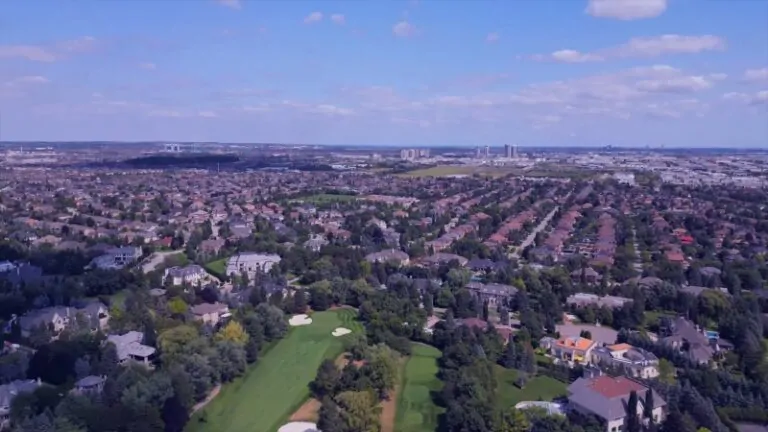

Fan safety plays a major role in shaping confidence during large sports and entertainment events.
Canada and Europe both host massive crowds, yet they approach stadium design, security strategy, and visitor support in different ways.
A comparison shows us how modern construction, private security firms, and operational planning contribute to safety levels across these regions.
Let’s see the main differences between stadiums in these two parts of the world.
| Aspect | Canada | Europe |
| Stadium Age | Mostly new (post-1980s) | Many are 50 to 100+ years old |
| Security Management | Privatised (e.g. Flash Security) | Club- or police-managed |
| Design Philosophy | Comfort, multi-use, accessibility | Heritage, tradition, and local identity |
| Fan Segregation | Rarely used | Often mandatory in football matches |
| Renovation vs Replacement | Often replaced with new buildings | Typically renovated in stages |
| Funding | Mix of public/private; frequent taxpayer support | More reliance on club or city-owned models |
Stadium Security Standards in Canada
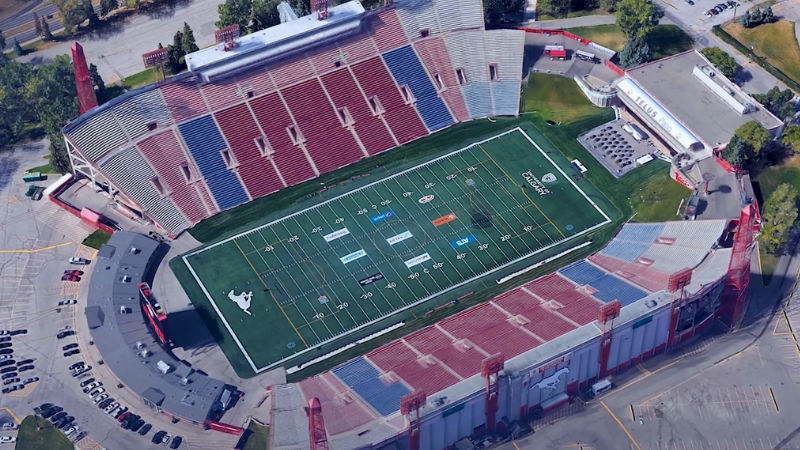
A strong safety framework in Canada reflects a coordinated effort between private security firms, venue operators, and municipal partners.
The combination of advanced training, structured procedures, and modern communication systems helps maintain control during high-attendance events.
A closer look at each component shows how these systems function during football, baseball, and entertainment gatherings.
Professional Security Services
Canada places significant trust in specialized private companies that provide staff capable of handling complex crowd situations.
Personnel engage in programs that involve counter-terrorism awareness, conflict management, guest engagement, and scenario-based drills.
Focus is placed on anticipating potential problems before they escalate into disruptive incidents.
Security teams operate with layered response methods supported by digital communication networks.
Rapid updates between supervisors, on-ground staff, and venue control rooms allow action without delay.
Emergency plans are rehearsed regularly so that personnel adapt smoothly when major events demand quick coordination.
Integration With Venue Operations
Strong collaboration between security partners and venue leadership plays a major role in maintaining a controlled environment.
Coordination with city agencies, police units, and event organizers ensures reliable procedures across all functions.
Regular briefings guide how staff handle guest arrivals, manage queues, and respond to unexpected behavior.
Teams maintain high visibility in concourses, gates, and seating areas. Calm interaction with guests helps reduce tensions during crowded moments, such as:
- Halftime exits
- post-event departures
Consistent processes for incident reporting, evacuation logistics, and crowd flow support safe movement in all sections of a stadium.
Services Offered
Canadian venues rely on a wide set of safety functions.
Here are some of the services that you should be aware of:
- Crowd control groups that regulate movement during peak traffic times
- Parking oversight for smoother access roads and reduced congestion
- Protection services for VIP attendees, athletes, and operational staff
- Emergency readiness planning that includes drills and tabletop exercises
- Guest-focused services such as ticket validation and wayfinding assistance
Comprehensive coverage across these tasks allows events to unfold with predictability and stability, even during high-pressure moments.
Stadium Infrastructure and Fan Experience in Canada
| Stadium | City / Province | Approx. Capacity | Primary Current Use |
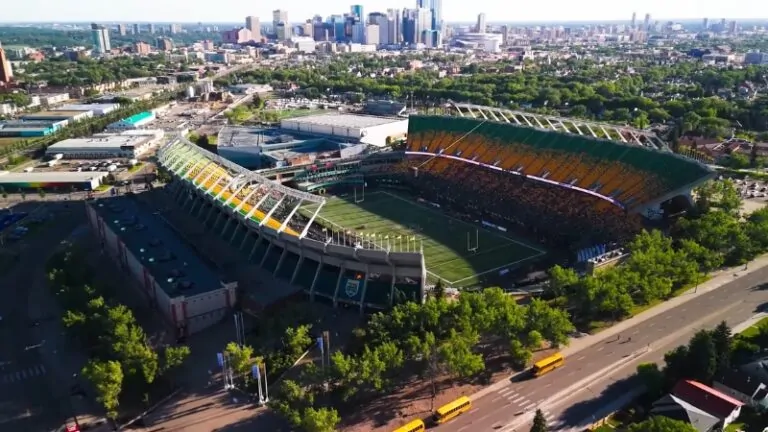
| Commonwealth Stadium | Edmonton, Alberta | ~56,302 | CFL team home games; major soccer events |
| BC Place | Vancouver, British Columbia | ~54,500 | CFL team & MLS team home games |
| Rogers Centre | Toronto, Ontario | ~49,000 (baseball configuration) | MLB team home games; multi-purpose events |
| Olympic Stadium | Montreal, Quebec | ~56,040 | Large-scale events (sports, concerts); occasional major sports use |
A modern construction era shaped many of Canada’s most visited stadiums, creating venues equipped with structural features that accommodate large gatherings with fewer restrictions.
Architectural advancements, comfort-focused layouts, and organized transit access contribute to a secure environment, while updated technology supports surveillance and emergency planning.
Modern Design and Architecture
View this post on Instagram
Canadian venues often rely on newer building standards that integrate flexible seating, retractable roofs, and reinforced exits.
Designs help security teams monitor large sections with fewer obstructions.
Emergency crews benefit from open concourses, wide stairways, and direct access paths for rapid deployment.
Several examples highlight this approach:
- Commonwealth Stadium in Edmonton
- BC Place in Vancouver
- Rogers Centre in Toronto
Structural planning helps streamline surveillance camera placement, radio networks, and evacuation modeling.
Security teams gain reliable control over sections that traditionally present challenges in older arenas.
Amenities and Accessibility
Canadian stadiums place strong emphasis on visitor comfort and movement efficiency. A short introduction helps explain how these features impact event safety.
Guests usually encounter organized parking systems, nearby dining areas, and facilities kept to high cleanliness standards.
Accessible seating options and ramp systems ensure smooth travel for all guests. Concourse layouts support steady foot traffic, lowering the chance of congestion-related issues.
Many Canadian venues work with digital merchandise services that allow fans to order personalised shirts via online screen printing before arriving at the stadium.
Fan feedback often highlights several recurring positives, presented below to show the most consistent observations:
- Straightforward entry processes
- Clear directional signage
- Helpful interaction with staff
- Smooth internal circulation throughout the venue
Such features play an important support role for security teams, as predictable guest movement reduces potential crowd stress points.
European Stadiums and The Safety of the Infrastructure
| Stadium | Club(s) | Country | City | Opened | Capacity |
| Stamford Bridge | Chelsea FC | England | London | 1877 | ~40,000 |
| Celtic Park | Celtic FC | Scotland | Glasgow | 1888 | ~60,000 |
| Ibrox Stadium | Rangers FC | Scotland | Glasgow | 1899 | ~50,000 |
| Anfield | Liverpool FC | England | Liverpool | 1884 | ~54,000 |
| San Siro (Giuseppe Meazza) | AC Milan & Inter Milan | Italy | Milan | 1926 | ~75,000 |
A long football tradition shaped Europe’s stadium environment, resulting in many arenas that first opened more than a century ago.
Numerous clubs continue to use these facilities, maintaining emotional connection and cultural identity linked to historic matchdays.
Age brings an atmosphere that supporters appreciate, yet it also places pressure on operators who must uphold modern safety expectations without replacing entire structures.
Many long-serving stadiums operate under a careful balance between heritage preservation and contemporary regulation.
Continuous renovation kept them functional, though early blueprints often lacked design elements needed for current crowd sizes, modern technology systems, and emergency response procedures.
Venue managers must find ways to merge old foundations with updated safety features while respecting architectural constraints.
Safety Challenges
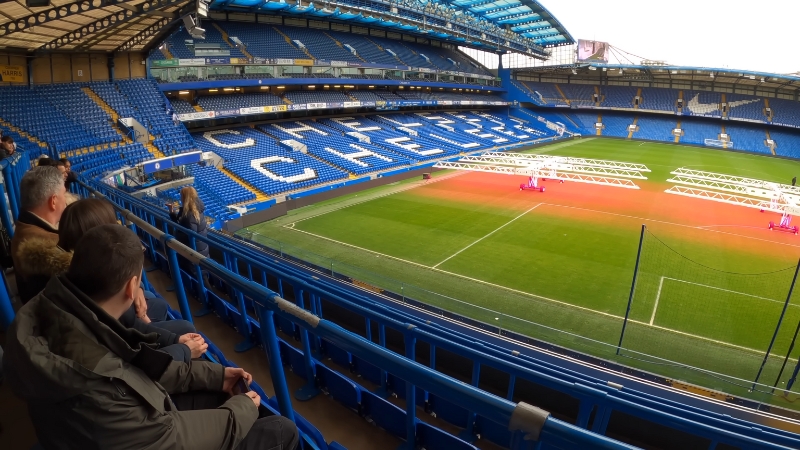
European stadiums built during earlier eras were not engineered for today’s football culture, which involves massive global audiences, advanced security systems, and heightened risk awareness.
Aged structures frequently include corridors that restrict movement, seating tiers that offer limited exit routes, and concourses unable to handle large volumes of fans at peak times.
Surveillance upgrades also face obstacles. Camera networks often demand clear angles and sturdy mounting points, yet older materials or irregular layouts reduce installation options.
Operators must work around pillars, low ceilings, and historical elements that cannot be altered.
A portion of Europe’s most famous stadiums sits in tightly packed urban districts. Surrounding space becomes limited, creating challenges for evacuation planning, vehicle access for emergency crews, and external crowd management.
Expansion becomes nearly impossible when enclosed by residential blocks, commercial areas, or protected city zones.
Renovation projects provide improvements, yet full replacement or major redesign often sparks debate within supporter bases and city governments.
Regulations sometimes forbid structural alterations that could impact historical character, pushing operators toward gradual improvements rather than comprehensive modernization.
Such limitations create an environment where safety advances require creativity, cooperation, and long-term planning.
Improvements After Major Incidents
Major tragedies and security emergencies across Europe prompted broad reform in stadium operations.
Governments, clubs, and law enforcement bodies introduced new standards that raised expectations for matchday safety.
Entry procedures became stricter, surveillance coverage expanded, and staff training programs grew more advanced.
Authorities recognised the need for coordinated action between national police units, private stewarding teams, medical groups, and stadium management.
Shared communication channels became standard, enabling rapid responses to crowd surges, confrontations, or suspicious activity.
Modern matchdays often depend on several structured methods designed to prevent incidents and maintain order.
These methods are:
- Bag screening processes that prevent prohibited items from entering large events
- Controlled entry systems that manage supporter flow and reduce pressure at gates
- Segregated movement routes for rival fan groups to lower the confrontation risks
- Real-time communication between command centres and on-ground patrol units
Such practices help reduce the likelihood of dangerous crowd behaviour and help stabilise movement during high-intensity fixtures.
Large gatherings in compact urban districts require precise planning, and European operators rely on these systems to manage situations that could escalate without strong coordination.
Final Touch
@blogto Toronto’s stadium ranked POORLY ⚽️ 🏟 #toronto #ontario #canada #fifa #worldcup #football #soccer #fifa2026 #worldcupfever #hostcity #hosting #ranked ♬ FIFA Percussion – Action Energetic Upbeat Percussive Stomps And Claps – AndrewLo
Canada benefits from modern stadium construction, structured private security networks, and guest-focused operational planning.
Europe maintains a long-established sports culture and continues upgrading its iconic venues, though older architecture can limit rapid improvements.
Both regions prioritise fan welfare, yet Canada gains an edge through newer facilities and standardised security deployment.