
If you think life in Canada and the United States is mostly the same, think again. While both countries share a border and a lot of cultural DNA, there are some everyday freedoms Canadians enjoy that simply aren’t available – or are strictly limited – in the U.S.
From walking into a store to legally buy cannabis, to gambling online from your living room, or accessing universal health care without a second thought, Canadians can do things that would get Americans in trouble or tied up in red tape.
Many of these differences affect millions of people’s daily routines and rights.
There are at least ten significant things you can do legally in Canada, often anywhere in the country, that remain either illegal, patchy, or tightly controlled across most of the United States.
1. Recreational Cannabis Use Nationwide

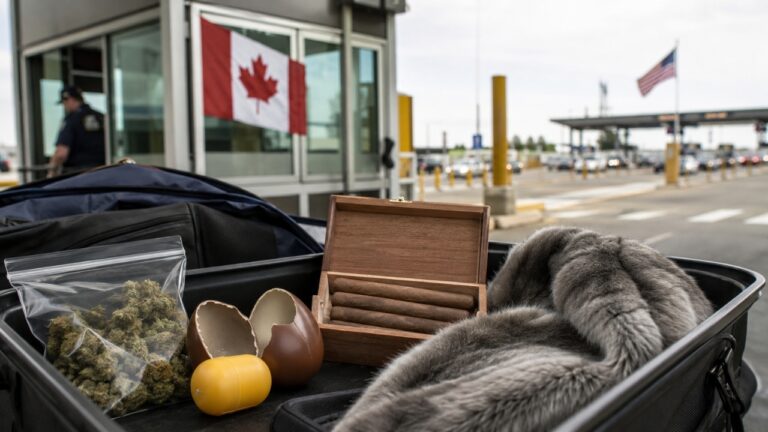
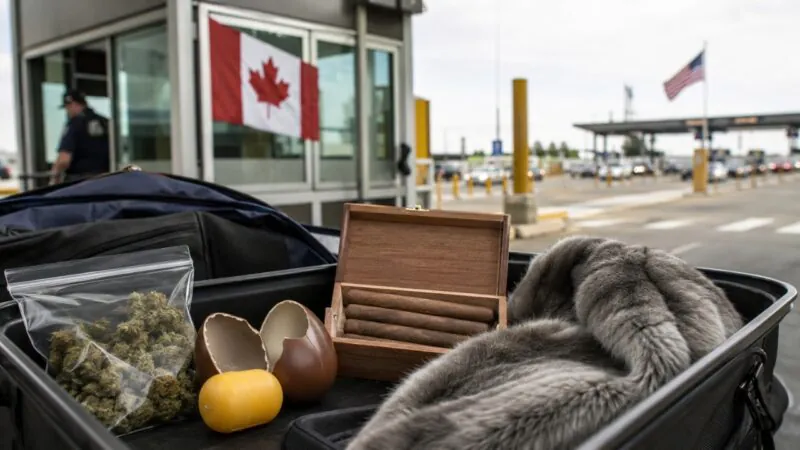
Since 2018, Canada has had a single, unified law for recreational cannabis across the country. Adults 18 or 19+ (depending on the province) can purchase, possess, and consume cannabis products at licensed shops.
You can even legally grow up to four plants per household in most provinces. Cannabis shops operate in city centers, small towns, and online, creating a regulated industry with strict quality controls.
In the U.S., the legal map is a patchwork. While states like California, Colorado, and New York allow recreational use, federal law still classifies cannabis as a Schedule I drug.
You can cross from one state where cannabis is legal into another where it’s still a criminal offense. Federal illegality also creates problems with banking, employment, and travel.
| Country | National Law? | Recreational Use Legal? | Federal Ban? |
| Canada | Yes | Yes (nationwide) | No |
| U.S. | No | Some states only | Yes (federal ban) |
Canada’s lower drinking age (18 or 19, depending on province) means young adults can buy and consume alcohol at bars, restaurants, and stores several years earlier than their American counterparts. Grocery and convenience stores sell beer and wine in many places, and government liquor stores offer wide selections. Canada’s alcohol laws are still strict about drinking and driving, but public consumption at events and festivals is often permitted with a permit. In the U.S., the national minimum drinking age is 21, with no exceptions for private consumption or parental supervision (apart from a few state-level carve-outs). Many states tightly regulate when and where alcohol can be sold, and in some places, “blue laws” ban Sunday sales or restrict alcohol to state-run stores. Canada’s Medical Assistance in Dying (MAID) program is available to adults with serious, incurable illnesses and intolerable suffering. The process is tightly regulated, requiring multiple assessments and legal safeguards, but it is fully legal and publicly funded. Since the law was enacted in 2016, thousands of Canadians have accessed MAID, and ongoing debates are expanding eligibility for mental health conditions and other cases. By contrast, in the U.S., only a handful of states (such as Oregon, Washington, California, and a few others) allow physician-assisted dying, and requirements are much stricter, usually limited to terminal illness with a prognosis of six months or less to live. Supervised injection sites are legal and operating in major Canadian cities such as Vancouver, Toronto, and Montreal. These facilities offer a clean, safe environment where people can use drugs under medical supervision, access clean supplies, and get connected with health services - all without fear of arrest. Evidence shows they reduce overdose deaths and the spread of infectious diseases. In the U.S., despite an opioid crisis, supervised injection sites remain illegal under federal law. A few cities have launched unofficial pilots, but these face legal battles and potential federal intervention. Canada allows its provinces to operate or license online casinos, sports betting, poker, and lotteries. This means that in places like Ontario, adults can legally play slots, roulette, blackjack, and more from their phones or computers, with strict government regulation and consumer protections. Whether you’re looking for a quick blackjack game or want to try your luck with slots, there are plenty of safe, legitimate options online. Canadians interested in getting the best deals or sign-up incentives often check resources like bonus finder Canada, a service that helps players compare welcome bonuses and promotions from fully licensed online casinos. Tools like this not only make the experience more fun but also help ensure you’re playing at reputable sites that follow provincial gaming laws. In the U.S., while online sports betting is booming and legal in more than 30 states, online casino gaming (like digital slots and roulette) is only legal in a handful of states - New Jersey, Pennsylvania, Michigan, Delaware, West Virginia, and Connecticut. For most Americans, real-money online casino play is still illegal or exists in a legal gray area. Canada’s most famous social policy is universal health care. Doctor visits, hospital stays, emergency care, and surgery are all covered by provincial plans for residents, with no bills or deductibles at the point of service. Prescription drugs, dental, and vision are not fully covered everywhere, but the basics are guaranteed for all citizens and permanent residents. The U.S. has no national public health system. Health insurance is a mix of private, employer-sponsored, or government programs (Medicare/Medicaid) for specific groups. Out-of-pocket costs can be high, and uninsured people face significant barriers to care. The Bank of Canada has issued $100 bills for decades, and although $1,000 notes are rare and discontinued, they remain legal tender and occasionally turn up in circulation or for large transactions. Canadians can easily withdraw or deposit $100 bills at any bank. In the U.S., $100 is the largest bill you’ll encounter in daily life. Larger denominations ($500, $1,000, $5,000, $10,000) were discontinued long ago and are collector’s items only - not used for transactions. Most Canadian provinces and territories allow people to change the gender marker (“M,” “F,” or “X”) on their government documents (passports, driver’s licenses, health cards) without needing to provide proof of surgery or medical transition. This progressive policy reduces barriers for transgender and nonbinary individuals. In the U.S., laws vary widely. Some states require proof of surgery, a court order, or even a doctor’s note. In other cases, changing a birth certificate or driver’s license is not possible at all. While not a free-for-all, Canada is surprisingly open-minded about non-sexual public nudity in specific contexts. For instance, women have the right to go topless in Ontario and several other provinces, following legal cases affirming gender equality. Some cities even host public nude events or nude beaches without legal hassle. In most of the U.S., public nudity - topless or otherwise - is prohibited except in very limited places (like specific nude beaches or events with special permits), and violating these laws can lead to arrest. Canada’s Charter of Rights and Freedoms and the Canadian Human Rights Act provide comprehensive, nationwide protection against discrimination based on sexual orientation and gender identity. This means that in every province, LGBTQ+ people are legally protected at work, in housing, and in public life. In the U.S., federal protections are more limited and often subject to legal challenge. Many states still have no state-level protections, and gaps remain in areas like public accommodation and health care. Living in Canada comes with a set of everyday freedoms that might surprise Americans - from legal cannabis, earlier drinking ages, and universal health care to progressive gender and LGBTQ+ rights. For many Canadians, these things are just normal parts of life. But for visitors or new immigrants from the U.S., the difference can be striking - and sometimes, genuinely life-changing. Ultimately, these unique rights and policies reflect Canada’s values around public health, personal autonomy, and inclusivity. They shape daily routines, social attitudes, and even how people see themselves in their communities. If you ever wondered what it’s like to live just a little bit freer in the north, Canada offers some eye-opening examples. And while no country is perfect, it’s clear that the legal landscape on each side of the border can make a real difference in how people live, work, and celebrate who they are.2. Buy and Consume Stronger Beer, Wine, and Spirits at Age 18 or 19
Country
Legal Drinking Age
Alcohol in Grocery Stores
State-Run Stores?
Canada
18 or 19
Yes, most provinces
Yes, in many
U.S.
21
Yes, in some; No, in others
Yes, in some
3. Access to Medically Assisted Dying (MAID)
Country
National Access?
# of States/Provinces Covered
Canada
Yes (nationwide)
All provinces/territories
U.S.
No
11 states + DC (limited)
4. Visit a Government-Run Safe Injection Site
Country
Legal Nationwide?
Active Sites?
Canada
Yes
40+
U.S.
No
2 (pilot/uncertain)
5. Place Bets at Licensed Online Casinos (in Most Provinces)

Country
Legal Online Casinos?
Regulator
Canada
Yes, most provinces
Provincial gov't
U.S.
Yes, in 6 states only
State-by-state
6. Access Universal, Publicly Funded Health Care

System
Canada
United States
Public Health
Yes, for all citizens
No, except for special programs
Private Option
Yes (supplemental)
Yes (main system for most)
Point-of-Service Bills
No
Yes (co-pays, deductibles, bills)
7. Carry and Use $100 or $1,000 Bank Notes
Note
Circulates in Canada?
Circulates in the U.S.?
$100
Yes
Yes
$1,000
Yes (rare)
No (collector only)
8. Change Your Legal Gender Marker Without Surgery
Requirement
Canada
U.S. (by state)
Surgery Required?
No, most places
Yes, in many states
Court Order Needed?
Rarely
Often
“X” Marker Allowed?
Yes, federally
Yes, in some states
9. Enjoy More Permissive Public Nudity Laws (in Some Cities)
Activity
Legal in Canada?
Legal in the U.S.?
Topless in public
Yes, some provinces
No, most states
Public nude events
Permitted, some
Very limited, most banned
10. Benefit from Federal Legal Protection for LGBTQ+ Rights
Protection
Canada
U.S. (federal)
U.S. (by state)
Employment
Yes
Partial
Varies
Housing
Yes
Partial
Varies
Health care/public
Yes
Partial
Varies
Bottom Line